Posts

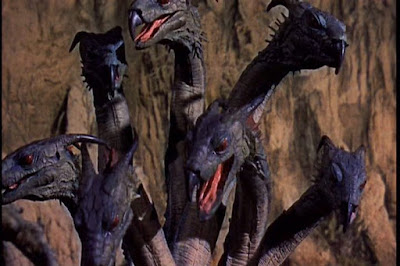
The Hydra Syndrome

Image
The following article seemed to hit home with a lot of writers when I sent it to my current subscribers. It was originally called "The Medusa Syndrome" but many learned scholars and professors (yes - they get my newsletters too!) pointed out I'd made a slight 'myth-take' when it came to picking a mythological creature for my syndrome. I hope you enjoy it - and please, feel free to leave a comment of your own! Rob Parnell Have you ever noticed how you, as a writer, see-saw? For one heady moment you know you're brilliant and then, later, with just as much clarity, you know what you do is awful. It's the writer's curse. I've noticed this happens at certain times in the writing process. When the ideas are fresh and you're starting out on a project, the adrenaline is flowing, the words are spewing on to the page - everything seems so clear, so clever, so you. And then after, when you look back, the words seem dull, the structure contr...

Interview by Word Mage

Hi, A quick note again. The lovely and ultra-talented author Billie Williams interviewed me recently for her Word Mage writing group. A copy of the interview (which I throroughly enjoyed) is available here: http://geocities.com/wordcrafter123/ROBPARNELL.html It contains lots of succinct and valuable advice on the craft of writing - and you'll hear things there most writing experts would charge you a fortune to find out! Best regards, Rob

Interview

I was recently interviewed by Aneeta at howtotellagreatstory.com. You can see the result here: http://www.howtotellagreatstory.com/byot/byot60.html

Becoming a Better Writer

The urge to write fiction seems God given for some, a learned skill for others. One thing is certain – it requires practice and a particular mindset. But, if you’re a beginner, where do you start? The following 10 tips will help kick-start your writing habit, whether you’re a complete novice, or perhaps a pro who has lost their way! 1. Step Away From the Car, Sir. Slightly detach yourself from your surroundings. Stop participating and begin observing. In social situations, watch people, see how they act and – more importantly - interact. Don’t pass judgment. Take it all in – and draw on it later when you write. 2. Look Harder, Homer Stop and look around you. Consciously notice the buildings, what’s underfoot, overhead, and what’s right in front of you. At home, look at something you take for granted. An iron, for instance. Find yours and study it. 3. Write Thinking Will Be Rewarded. A simple technique. Your mother is making tea and you are chatting to her. Take a mental step back and d...